P/N 2455038-2: Rear Engine Compartment Baffle
P/N 2455038-2: Rear Engine Compartment Baffle
Blog Article
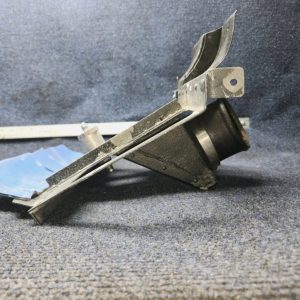
The Cessna 172RG Rear RH Baffle Assembly
Whether buyers search for a Cessna 172RG Rear Right-Hand Baffle, Cessna 172RG Engine Baffle, or Cessna 172RG Cooling Baffle, individual condition and aircraft compatibility should guide the purchase.
The Cessna 172RG Baffle Assembly works with surrounding seals and panels, while the Rear RH Engine Baffle should not be evaluated as an isolated piece.
A Cessna Engine Cooling Baffle, Cessna 172RG Engine Compartment Parts package, Aircraft Cooling Air Baffle, and Cessna 172RG Airflow Baffle contribute to controlling how cooling air moves around the installed engine.
A Cessna Aircraft Engine Baffle can form part of an Engine Cooling Baffle Assembly, while a Cessna Cutlass Cooling System Part must correspond with the installed aircraft and engine configuration.
Reviewing the 2455038-2 Component
Complete part-number verification reduces incorrect purchasing and unnecessary installation work.
Any alternate number, superseded number, drawing reference, repair marking, or donor-aircraft serial number should remain connected with the component.
Cessna 172RG Engine Temperature Management
The rear right-hand baffle helps guide cooling air through intended paths around the engine installation rather than allowing it to escape through uncontrolled gaps.
Cooling performance depends on proper pressure differences, sealed boundaries, suitable airflow paths, and accurate baffle positioning.
Avoiding Incorrect Baffle Substitution
Compatibility should be established through the exact aircraft model, serial number, engine installation, part number, baffle position, and applicable maintenance or parts information.
A component that fits one aircraft approximately may still interfere with another installation.
Maintaining Original Baffle Geometry
The exact material, thickness, temper, finish, and construction should be confirmed through applicable technical information when required.
Professional handling protects the value of the here Cessna Aircraft Engine Baffle.
Engine Baffle Condition Evaluation
Both sides should be examined under suitable lighting, especially around bends, corners, mounting holes, stiffeners, and seal-retaining edges.
The assembly should be checked for evidence of engine vibration, cowling contact, exhaust heat, fluid contamination, impact, improper removal, and unsuitable storage.
Baffle Seal Condition and Air Leakage
Old seals may be useful as templates even when they are unsuitable for continued service.
Seal attachment holes and retaining strips should be inspected for corrosion, cracking, elongation, and previous modification.
Evaluating Corrosion on Cessna Baffles
Aggressive sanding or grinding can remove structural material and complicate assessment.
Storage components should remain dry, clean, supported, and protected from unsuitable wrapping that traps moisture.
Crack and Fastener-Hole Inspection
Loose fasteners in the previous installation may have allowed movement that damaged both the baffle and nearby components.
Fastener type, diameter, grip, spacing, and installation method should correspond with applicable data.
Planning a Complete Baffle Repair
A rear-baffle replacement may require adjacent baffles, seals, brackets, clips, fasteners, retainers, supports, and cowling-related components.
Used Cessna 172RG Engine Compartment Parts should be evaluated individually rather than accepted solely because they came from the same donor aircraft.
Avoiding Unnecessary Component Replacement
Unexpected engine temperatures should be investigated through a structured review of instrumentation, engine condition, airflow, baffles, seals, cowling, operation, and environmental factors.
Cleaning or replacing one baffle should not be presented as a guaranteed cooling improvement.
Evaluating Baffle Repair Value
The decision to repair or replace a damaged baffle depends on crack location, corrosion, deformation, missing material, hole condition, previous repairs, and available technical data.
Patches or replacement brackets should not create interference with the engine, cowling, controls, wiring, hoses, or exhaust system.
Commercial Value of the Cessna 172RG Baffle
A clean appearance can improve presentation but does not replace detailed inspection.
The listing should state whether the component is new, used, repaired, inspected, untested, serviceable, or offered for parts.
Evaluating P/N 2455038-2
A pre-purchase review should confirm P/N 2455038-2, donor-aircraft details, model and serial applicability, engine configuration, dimensions, material condition, repairs, included seals, brackets, hardware, and documentation.
- Determine whether seal material, retainers, fasteners, clips, brackets, records, or release documents are included.
- Arrange qualified evaluation whenever geometry, material loss, repair quality, or installation suitability remains uncertain.
- Confirm the invoice, payment protection, packaging method, shipping insurance, inspection period, return conditions, and stated component status.
Safe Handling of P/N 2455038-2
Professional packaging helps preserve the geometry of the Engine Cooling Baffle Assembly.
Responsible storage preserves the future usability and commercial value of the Cessna 172RG Airflow Baffle.
Cessna Cutlass Cooling System Installation
The engine compartment should be inspected before the replacement component is positioned permanently.
Correct workmanship supports a secure and effective cooling-air boundary.
Ground-operation observations should be completed through suitable procedures without promising a specific temperature improvement.
Long-Term Rear Baffle Inspection
Small cracks, loose fasteners, failed seals, and finish damage should be evaluated promptly.
Preventive maintenance protects both P/N 2455038-2 and surrounding Cessna 172RG Engine Compartment Parts.
P/N 2455038-2
The Cessna 172RG Rear RH Baffle Assembly
The strongest purchasing decision begins with confirming the complete part number, donor-aircraft details, aircraft serial applicability, engine configuration, right-hand position, dimensions, mounting geometry, seal condition, repair history, included hardware, and documentation.
Whether the requirement is a Cessna 172RG Rear Right-Hand Baffle, Cessna 172RG Engine Baffle, Cessna 172RG Cooling Baffle, or Cessna Cutlass Engine Baffle, exact identification should guide the purchase.
With responsible purchasing, part-number research, careful handling, alignment checks, and appropriate workmanship, the assembly can remain a valuable engine-compartment asset.
Report this page